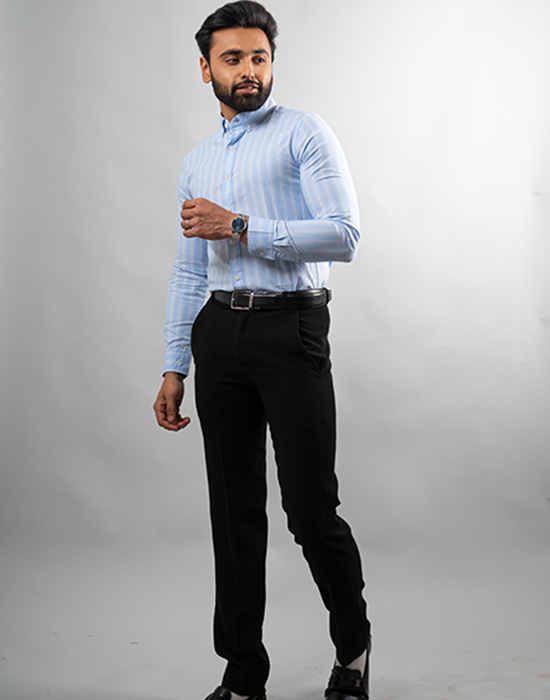
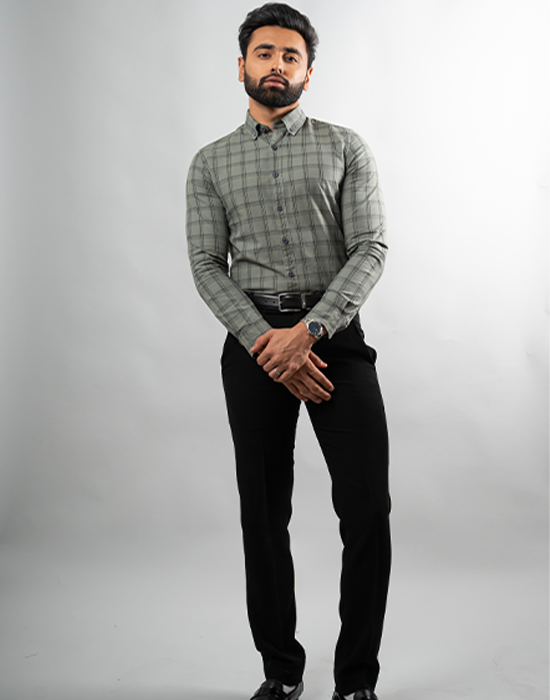
What makes a sherwani look perfectly fitted? Well, it starts with taking the right measurements before cutting the fabric. This sherwani and kurta pajama measurement guide explains how to take those measurements correctly at home using a soft measuring tape, a mirror and a few minutes.
Anyone learning “how to measure yourself for kurta pajama” will find the same fundamentals apply to a wedding sherwani or a formal bandhgala jacket. Once you understand what a tailor actually needs, custom tailoring measurements stop feeling technical and start feeling manageable, turning every future order into a faster and far more accurate process.
Why Getting Your Own Measurements Right Matters for Custom Tailoring
Good measurements are the starting point for a well-fitted garment. If the numbers are wrong, even an experienced tailor may not be able to get the fit right. Custom tailoring measurements affect how the sherwani or kurta pajama fits around the shoulders, chest, sleeves and collar. Small mistakes can lead to tight areas, loose sections or sleeves that are too long.
When you send measurements to a tailoring workshop, those numbers guide the entire stitching process. The cutter uses them to mark the fabric, and the tailor follows them while putting the garment together. There is no in-person fitting at this stage to check the measurements again. Accurate numbers can reduce the need for major changes later.
This is one reason custom clothing can offer a better fit than ready-made options. Standard sizes are made using general body measurements. Custom garments can account for your shoulder shape, posture, chest and torso length. If you are deciding between the two, comparing custom tailoring vs ready-made clothing can help you choose the better option for your needs.
Correct measurements can also save money. Poor measurements may lead to alterations, extra fitting sessions or even a remake. These added costs can become inconvenient, especially when the order is placed from outside Jaipur.
What You’ll Need Before You Start
Before measuring yourself, get ready with a few basic tools so that you do not end up making little mistakes that can impact the overall fit. The right tape, suitable clothing and a clear place to record each measurement can prevent small errors that may affect the final fit. Take your time rather than completing everything as quickly as possible.
-
Flexible measuring tape- Use a soft fabric measuring tape instead of a rigid metal one. It can follow the natural shape of your body and gives a more reliable reading around curved areas such as the chest, waist and hips.
-
Fitted clothing- Wear close-fitting clothes or the undergarments you expect to wear with the finished outfit. Avoid bulky shirts, sweaters or loose clothing that can add extra inches to your measurements.
-
Full-length mirror- Stand in front of a mirror so that you can see your posture and ensure that the tape is horizontal when taking measurements on various body parts.
-
Notebook or phone- Record every measurement immediately. Writing down each number prevents confusion when several measurements are taken in succession.
-
Reference photograph- If you plan to measure for custom tailoring online, take a clear photo while standing straight against a plain wall, with your arms relaxed.
-
A second person- Having someone hold the tape can improve accuracy, particularly for measurements taken around the back. However, you can also measure yourself carefully using a mirror.
The Core Measurements You Need (Step by Step)
The basic measurements form the foundation for accurate stitching across a kurta pajama, sherwani, or bandhgala. Learning how to take these measurements correctly makes the fitting process much easier. With the basics in place, “how to Measure Yourself for kurta pajama” becomes a simple process, while the garment-specific adjustments require only minor refinements.
This section also serves as a practical approach to sherwani measurement at home for anyone attempting the process without professional guidance.
Chest
Wrap the tape around the fullest part of the chest, typically at nipple level, keeping it level and parallel to the floor throughout. Breathe normally rather than expanding the chest outward, since an inflated reading produces a garment that feels loose once you relax. Two fingers should slide comfortably beneath the tape without resistance.
Shoulder Width
Measure from the outer edge of one shoulder bone to the outer edge of the other, tracing the line across the back. This measurement should follow the natural slope of the shoulders rather than a flat horizontal path because a shoulder reading taken in a straight line often creates a sleeve seam that lands incorrectly, either too far in toward the neck or too far out past the arm.
Sleeve Length
Keep your elbow slightly bent. Measure from the shoulder edge, along the outside of your arm, past the elbow to the wrist bone. Measuring with your arm straight can make the sleeve too short when you bend your elbow.
Neck
Wrap the tape around the base of the neck, resting just above the collarbone and allow the width of one finger between the tape and the skin for ease. This reading carries extra weight for a bandhgala jacket where the stand collar rests close against the throat.
Garment Length
For a kurta or sherwani, measure from the base of the neck straight down the front of the body to the point where the hem should fall, generally mid-thigh for a kurta and somewhere below the knee for a sherwani. It usually depends on personal preference and current styling trends.
Waist
Measure around the natural waistline, roughly at navel height without pulling the stomach inward or pushing it outward artificially. This particular number shapes the fit of the pajama or trouser to a far greater degree than it affects the kurta or sherwani itself.
Hips / Seat
Wrap the tape around the widest point of the hips and seat, keeping it level around the full circumference rather than angled higher toward the back, a common error among first-time self-measurers.
|
Measurement
|
Where to Measure
|
Common Error to Avoid
|
|
Chest
|
Fullest point, under the arms
|
Tape pulled too tight, chest expanded
|
|
Shoulder
|
Bone edge to bone edge
|
Measured in a flat line instead of following the slope
|
|
Sleeve
|
Shoulder to wrist, elbow slightly bent
|
Measured with a fully straight arm
|
|
Neck
|
Base of the neck
|
No ease left between tape and skin
|
|
Length
|
Neck to desired hemline
|
No fixed reference point marked beforehand
|
|
Waist
|
Natural waistline
|
Stomach pulled in during measurement
|
|
Hips
|
Widest point of hips and seat
|
Tape angled upward at the back
|
The above table is a useful kurta pajama size chart for cross-checking your own readings against standard sizing before finalising a custom order sheet.
Garment-Specific Adjustments
Each of these three garments requires a small modification. Overlooking these adjustments is where many self-measured orders run into trouble later.
Kurta Pajama
A kurta needs slightly more space at the chest than a fitted shirt would require because the traditional silhouette is designed to skim the body rather than cling to it. The pajama length should be measured separately, running from the waist to the ankle bone, with the customer specifying whether a straight-cut or a fitted churidar-style pajama is preferred.
Sherwani
Sherwani measurement at home demands particular attention to chest ease, since the garment is generally worn over a kurta and occasionally a light inner jacket as well. Adding roughly two to three centimetres to the bare-body chest reading prevents tightness once these additional layers are worn together on the day of the function.
Bandhgala
The bandhgala jacket calls for the most exacting neck and shoulder measurements among the three garments, given its structured, close-fitting silhouette and its stand collar. Even a half-centimetre error at the neck can produce visible pulling along the collar seam once the jacket is buttoned.
Customers deciding between these three silhouettes for an upcoming wedding function may find the detailed bandhgala vs sherwani vs indo-western style guide useful for narrowing down which style suits the occasion, the venue and personal comfort.
A separate bandhgala measurement guide focused specifically on collar height and jacket structure is available for anyone stitching this garment for the first time.
No One to Help You? Two Reliable Alternatives
You can measure yourself without help. Two simple methods can make it easier to keep the tape steady when you are measuring alone.
The Existing-Garment Method
Lay a kurta, sherwani or jacket that already fits you well flat on a table, smoothing out every wrinkle and fold before measuring. Take the chest width from seam to seam and double the figure, measure the shoulder from seam to seam directly and record both the sleeve and the body length straight from the garment itself. This particular method works especially well for repeat customers reordering a similar cut with only minor style changes.
Book a Free Video Measurement Consultation
A video consultation for custom tailoring removes most of the guesswork tied to self-measurement altogether. A trained tailor guides you through every single step over a live video call, correcting your posture and tape placement as you go along, then records the final figures directly into your order sheet on the spot.
This service works well for customers based outside Jaipur who are shopping for wedding wear remotely. Anyone planning an entire wedding wardrobe rather than a single outfit may also find the “where to buy Indian wedding wear in Jaipur - shopping checklist” useful for organising everything ordered alongside the sherwani or bandhgala.
Fabric Matters: Adjusting for Silk, Cotton & Brocade
Fabric choice changes the way a finished garment behaves on the body, and that behaviour occasionally calls for small adjustments to the standard measurements above. Silk and brocade both carry natural structure and hold their shape well. This means a sherwani stitched in either fabric can generally use the exact body measurement without extra ease because the material itself neither stretches nor clings to the skin underneath.
Cotton and linen kurtas behave rather differently, softening and relaxing slightly after the first few washes at home. Adding roughly half a centimetre of ease at the chest and waist keeps the fit comfortable once the fabric settles into its final shape.
Heavier brocade and velvet sherwanis carry additional visual bulk, so the shoulder and chest readings should account for this thickness rather than assuming the fabric will remain flush against the body. Climate plays a genuine role too, particularly for customers stitching wedding wear during Jaipur’s warmer months. The guide on best fabrics for men’s ethnic wear in Jaipur’s climate covers which materials handle heat and humidity gracefully without compromising on formal appearance.
Common Measurement Mistakes to Avoid
Several recurring errors appear across self-submitted measurement sheets, and nearly every one of them is easy to correct once you know what to look for.
-
Measuring over bulky clothing instead of fitted undergarments, which distorts nearly every reading taken.
-
Pulling the tape too tight at the chest or waist, producing a garment that feels restrictive the moment it is worn.
-
Measuring the arm while fully straight instead of allowing a slight bend at the elbow.
-
Skipping the natural shoulder slope entirely and measuring in a flat horizontal line instead.
-
Forgetting to specify a clear garment length preference, which leaves the workshop to guess at a default cut that may not suit personal taste.
-
Standing incorrectly during measurement, such as leaning to one side or shifting weight unevenly between the feet.
A quick cross-check with a garment that already fits well can help catch most measurement mistakes before the sheet is finalised and sent to the tailor for stitching.
Kurta, Sherwani & Bandhgala Measurement Chart
|
Garment
|
Key Measurements Needed
|
Typical Ease Added
|
|
Kurta Pajama
|
Chest, shoulder, sleeve, length, waist for the pajama
|
Moderate, allowing a relaxed traditional drape
|
|
Sherwani
|
Chest, shoulder, sleeve, length, neck
|
Higher, to accommodate layering underneath
|
|
Bandhgala
|
Neck, shoulder, chest, sleeve, length
|
Minimal, preserving the structured fit
|
The above practical kurta, bandhgala and sherwani size chart for men is ideal for comparing your own recorded numbers before an order is submitted for cutting.
Why Choose Sanjay Textile Store
Sanjay Textile Store has built its name on handcrafted tailoring. Here, every sherwani, bandhgala and kurta pajama passing through the workshop is cut and finished by artisans who understand the making of traditional Indian menswear in depth rather than through shortcuts. Every order submitted, whether measured entirely at home or taken during an in-store fitting, is reviewed personally by an experienced tailor before the fabric is cut, catching inconsistencies well before they turn into finishing problems on the final garment.
Customers across Jaipur and neighbouring cities frequently describe the store as the best custom tailor in Jaipur for wedding and formal occasions. This reputation has been earned over years of fitting grooms, family members and wedding guests for functions held across Rajasthan.
The team offers a video measurement consultation for anyone ordering remotely, paired with detailed fabric guidance suited specifically to Jaipur’s climate and the demands of a long wedding season. From a single kurta for a family function to a complete wedding wardrobe, every garment receives the same careful attention from the workshop.
FAQs
Can I get a custom sherwani or kurta pajama without visiting a store?
Yes, submitting self-taken measurements along with a reference photograph allows the workshop to stitch a fully custom garment without a single in-person visit. A video consultation adds an extra layer of accuracy for anyone ordering remotely from another city.
What if my self-taken measurements are slightly off?
Small discrepancies of half a centimetre or so are generally correctable during the first fitting or through minor alterations after stitching. Larger errors, particularly around the shoulder or neck, are considerably harder to fix once the garment is cut. This is exactly why a video consultation is recommended for first-time customers unfamiliar with the process.
How much ease should I add to my chest measurement for a sherwani?
Adding around two to three centimetres to the bare-chest measurement gives enough space for the kurta and a light inner jacket underneath. This helps prevent the outfit from feeling tight when all the layers are worn together for the function.
Is a video measurement consultation as accurate as an in-store measurement?
It comes remarkably close, particularly when guided by an experienced tailor who corrects posture and tape placement in real time throughout the call. Most customers find the resulting accuracy entirely sufficient for formal wedding wear when paired with a clear reference photograph.
How do I measure kurta pajama size at home without help?
A properly fitting outfit is a perfect reference. It will be easier to take your measurements when laid out flat on a tabletop surface. You can also book a video consultation with a tailor who can guide you through each step and correct any mistakes during the call.
What is the standard sherwani and bandhgala size chart for men?
The standard chart usually categorises measurements as small, medium, large and extra large according to the width of the chest and shoulders. But custom fitting totally avoids these general categories and focuses on individual body measurements.